Request Deferred
Essay, 2019 / 2026.
Request Deferred was an intervention in the digitization process of the Israel State Archive.
[GM:] This sister was on the stairs in the garden of our old house. Or on the mountain a lot.
[YC:] So her name is Al-Shaqiqa?
[GM:] Yes, Al-Shaqiqa.
[YC:] And is she usually red?
[GM:] Yes, there is no sister except a red one.
[YC:] Is there?
In 2025, I was asked to exhibit an artwork from 2019 titled Request Deferred. The piece was presented as an installation / performance of an automated script that interacted with the Israel State Archive (The Archive) website.
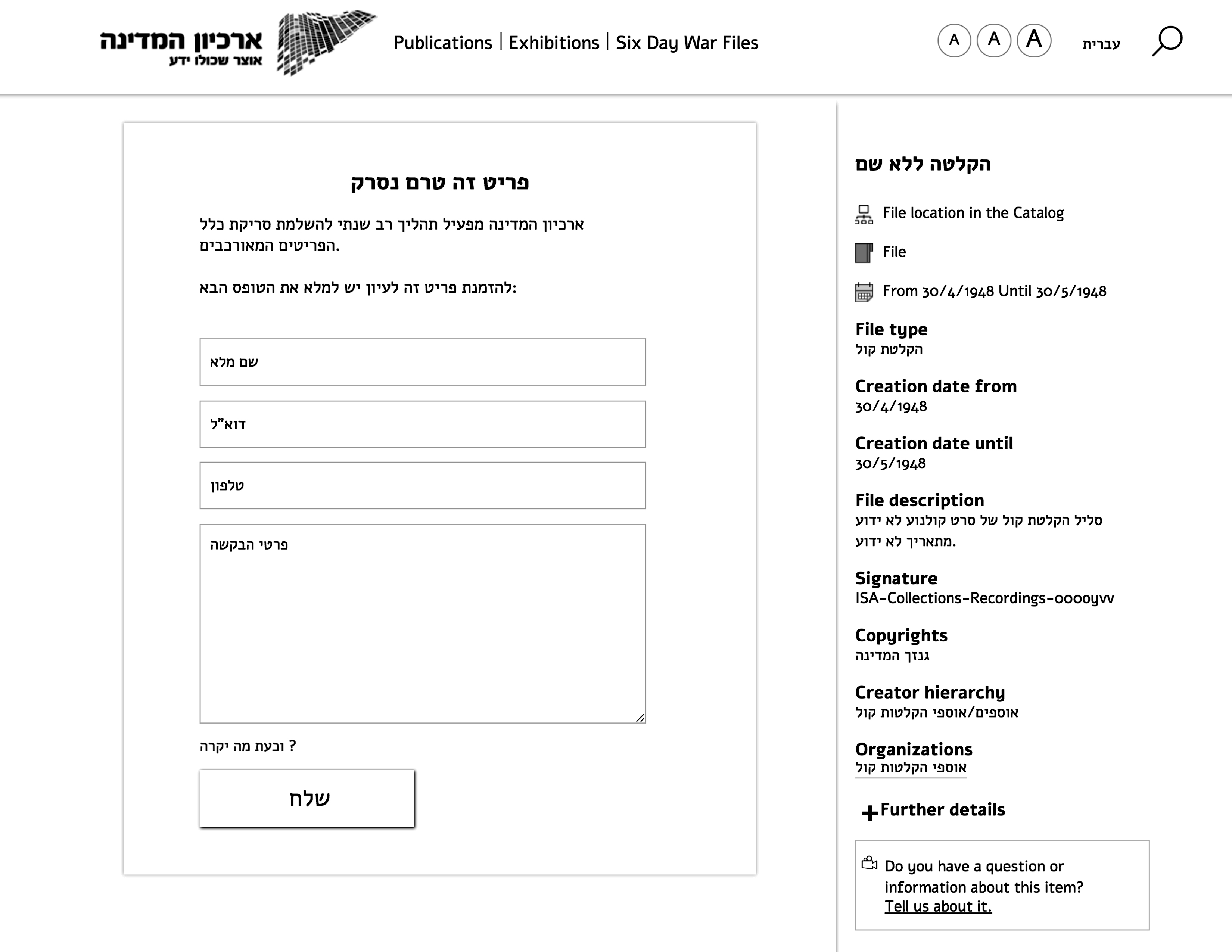
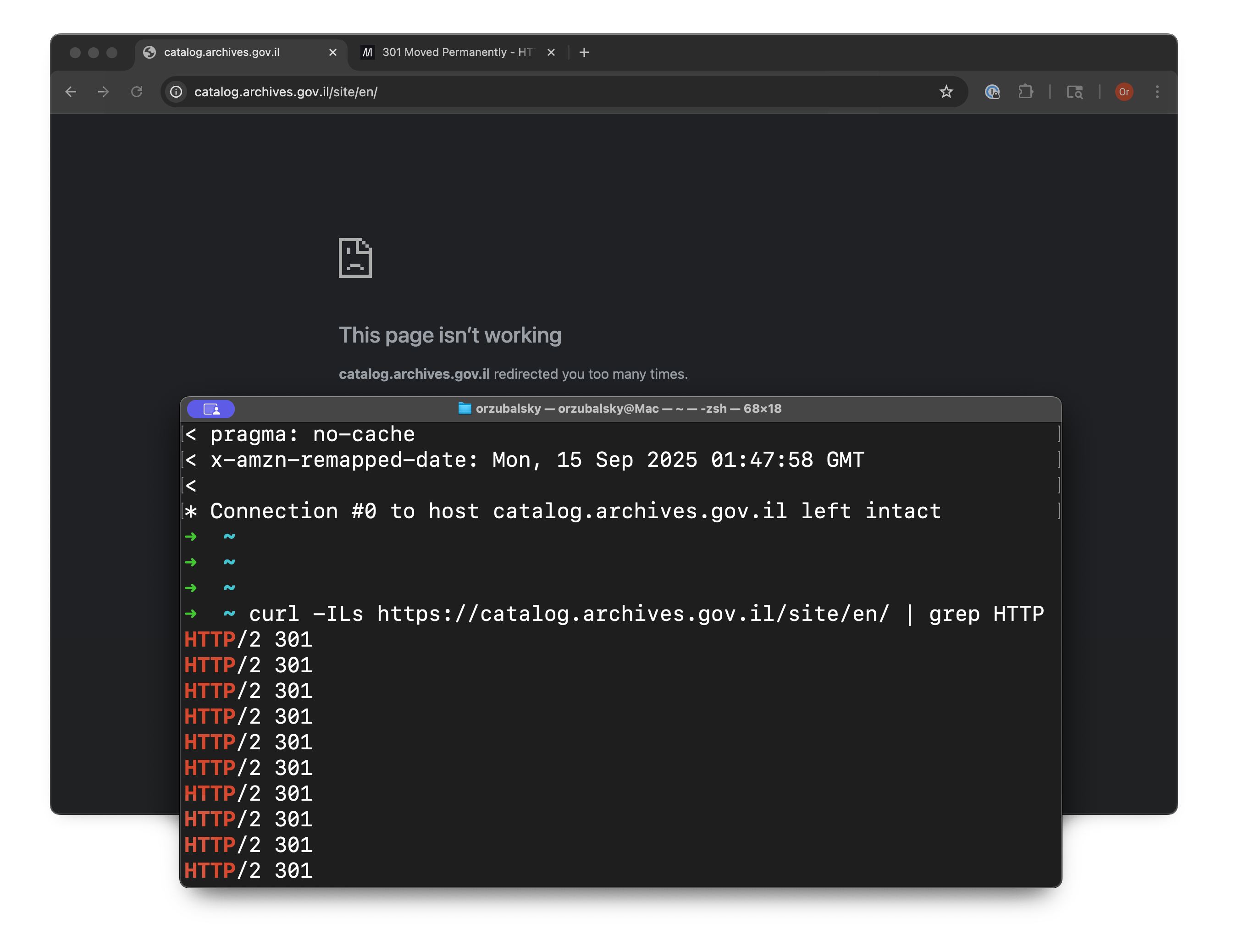
At the time, The Archive was going through a transition and physical access to the records was no longer available. Instead, the archival records were to be viewed on archive.gov.il. In 2019, the majority of the archival records have not been digitized yet. The Archive provided an online form to allow the public to request that specific records are digitized and made public.
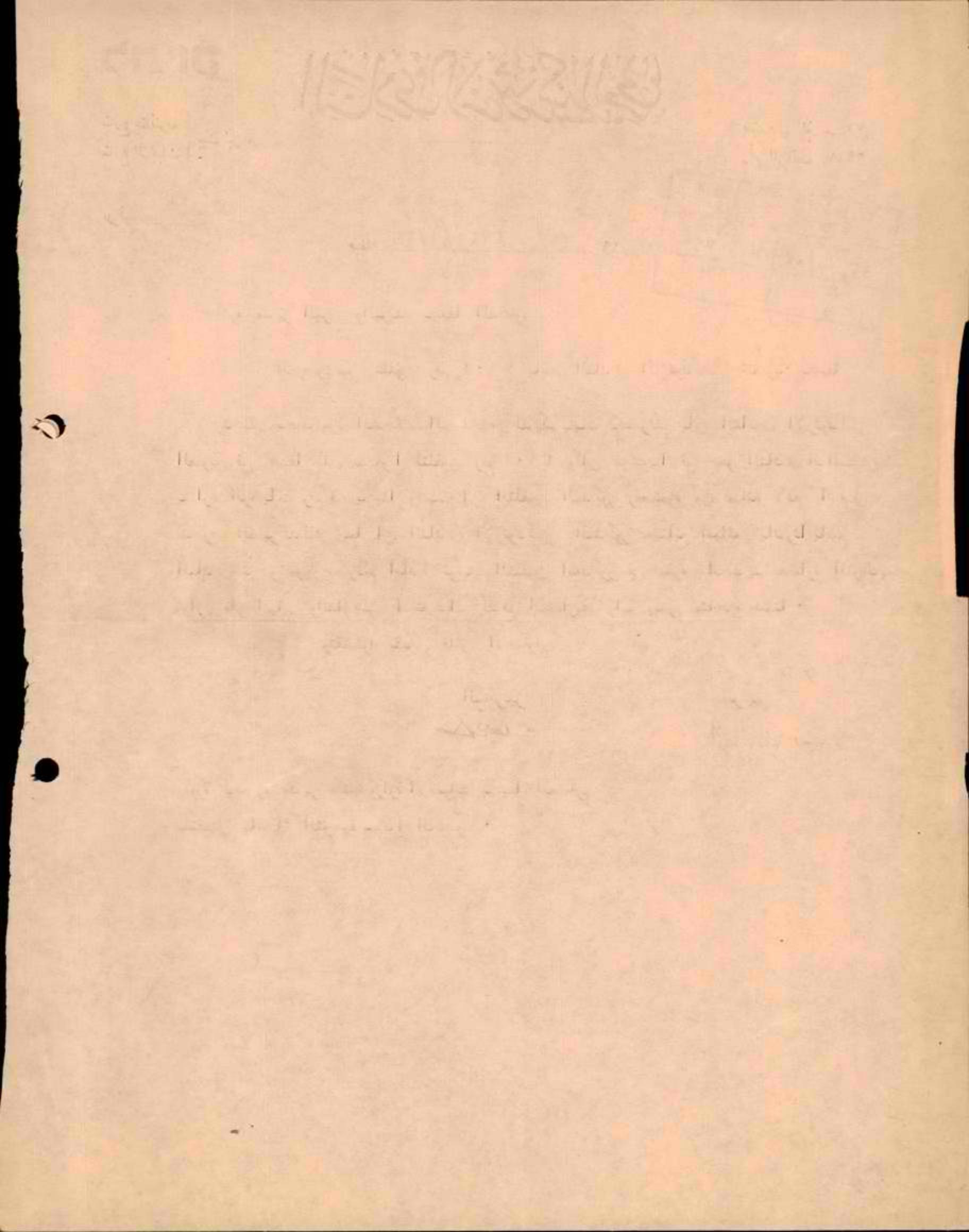
The 2019 installation featured a browser window that is scripted to interact with The Archive's online request form. The script filled out and submitted The Archive's form over and over again to request the digitization of hundreds of records. The records were letters that were sent to Israel's Ministry of Minorities in 1948 and 1949.
In 1948, after intentionally displacing hundreds of thousands of Palestinians, the new provisional government of Israel needed to operationalize dealing with the occupied population that remained. The provisional government's Minister of Police doubled as the Minister of Minorities.
In 1948 and 1949, the Ministry of Minorities received hundreds of letters sent by people who were recently occupied: requests for family reunification, requests to restore access to land and property, requests for travel, requests for reparations for destroyed property, requests for job permits, requests for resources for education, requests for permits to produce broadcast media. The vast majority of these requests were not met.
In 1949, the Ministry of Minorities was shut down and the letters were archived.
In 2019, a script requested to make each of these letters available to the public.
In 2026, the letters were made available here.
[YC:] I'll share a screenshot.
Look, do you see the screenshots I have?
Do you see the roses I have here?
Okay, let me show them to you now, and tell me, for example, if you pass one by.
They're our flowers, like I told you.
I found them in the archives.
Like the crazy one, or not?
Materials Included in the 2019 Installation:
- A script for how to interact with The Archive.
- A monitor that displays the script's interaction.
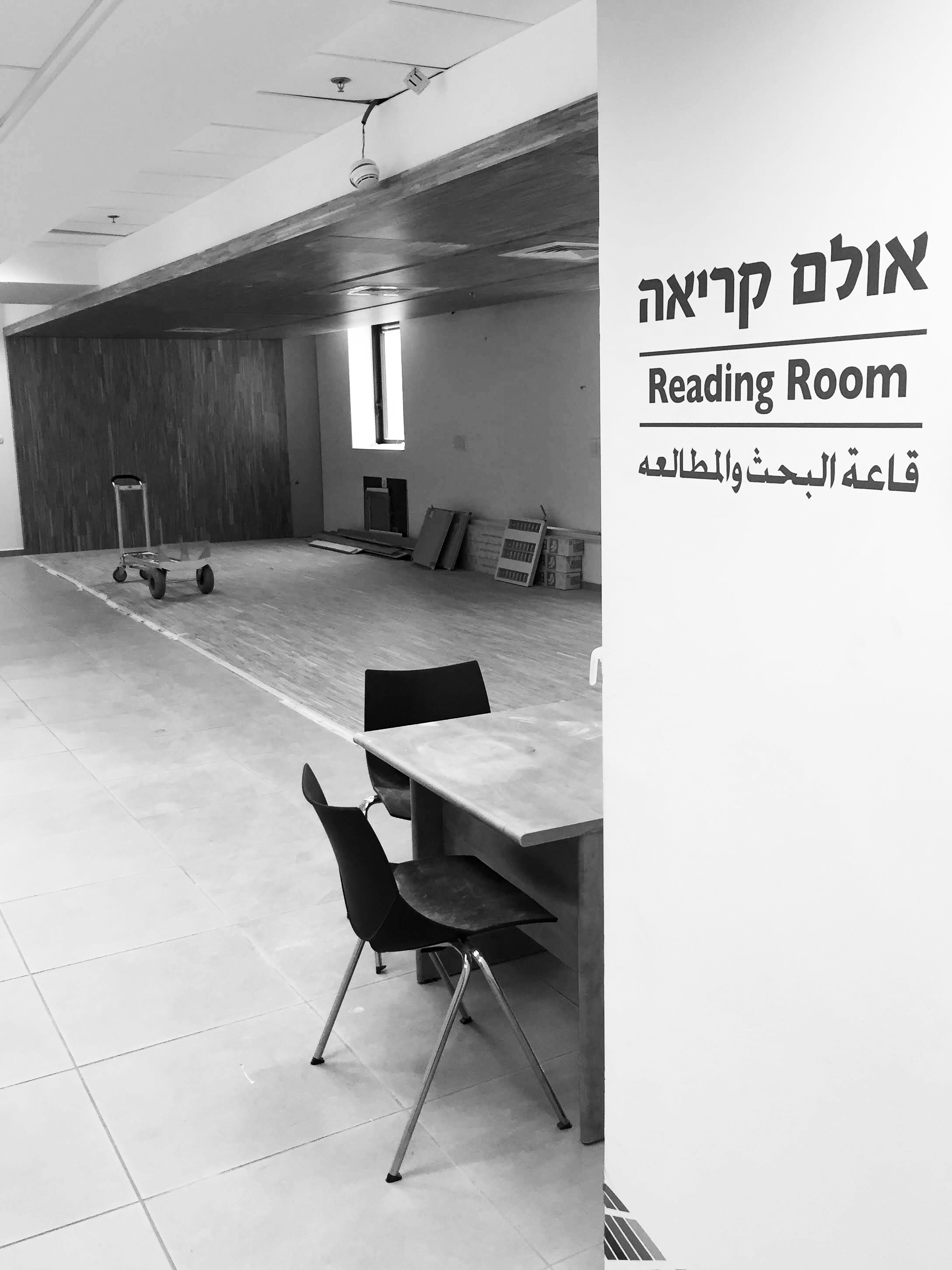
- Digitally printed index cards with etched record metadata, which together compose a large photograph of The Archive's emptied out reading room.
2019 Script for Requesting Missing Records:
[OZ:] To the archivists at the Israel State Archives.
It is {day}, {date}, {time}.
I learned that the national archive is being digitized.
This is an incredible coincidence since I myself am also in the process of being digitized.
I was told that there is no more physical access to the records.
The request I am making now is required in order to gain access to digital scans of unavailable records.
The unavailable record I am requesting now is related to Israel's Ministry of Minorities.
This one appears to be about {record description metadata field translated into English}. It is from {month}/{day}/{1948|1949}.
In these records, I am searching for mention of certain flowers.
They may have been spoken about or referred to in this record, although I imagine that such mentions were not recorded in it.
With this request I wish to continue to not find them.
Materials Excluded from the 2019 Installation:
- Flowers
In 2019, I made the decision that this piece will mostly exclude flowers. I was searching for them but I knew that The Archive could not hold the type of records that I needed to find.
I was curious about how other families relate to the same flowers that grew alongside with me.
I cut a collection of short video clips of flowers that I found on archive.gov.il and passed it on to a close friend. My friend then showed the state-branded flower clips to their mother and cousin, and they chatted about them. Their video conversation was recorded. I wish that I could share it in full as the conversation is beautiful, meaningful, and rich. Unfortunately, the conversation cannot be shown. We currently live in a world where sharing documentation of an adult child asking their mother about the plants of their ancestral home jeopardizes both of their lives.
[GM:] Yes, there are many types.
[YC:] These pictures are unclear because they are from the archive.
[TC:] What, this isn't jasmine!
[GM:] No, it isn't jasmine. It's a type of rose, no, it isn't a rose. Look, look.
[TC:] Almonds?
[GM:] It seems like they're from the spring season. Yes, they could be almonds!
[TC:] Yes, almonds start out white like this and then turn white. Remember what they look like at the beginning of spring?
[GM:] I've never seen anything like that before.
[TC:] I swear, I think they're almonds.
[YC:] Didn't you see them?
[GM:] No, because it's not clear.
[TC:] Yes, the picture isn't clear.
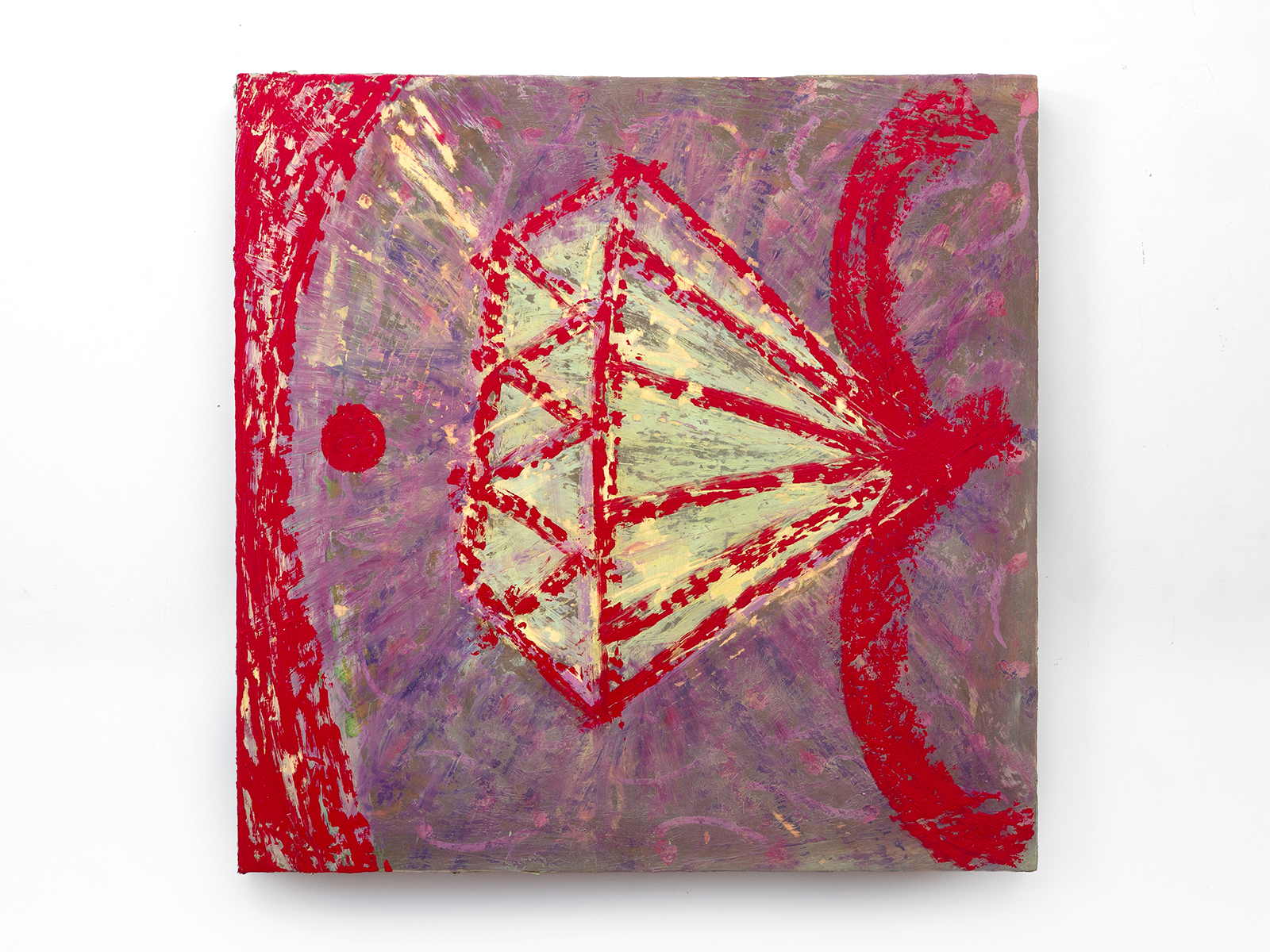
[GM:] Of course, it's possible because of the types of roses that Israel brings in and the supply of land.
[YC:] You mean types that weren't previously found in nature?
[GM:] Farmers are doing strange things.
[TC:] She means the areas that are completely different in terms of the roses found in our lands here under occupation, in the West Bank, than in, say, Nazareth or Lod. You'll see types of roses that aren't grown here.
[GM:] In Gaza too. For example, when they took Gaza, "Gaza came out to them." "Gaza first." So Abu Ammar planted vast areas of roses in Gaza! --- Like tulips. These look like tulips, really --- Do you know what the occupation did to thwart flower exports? They stopped buses until the flowers wilted so they couldn't be sold.
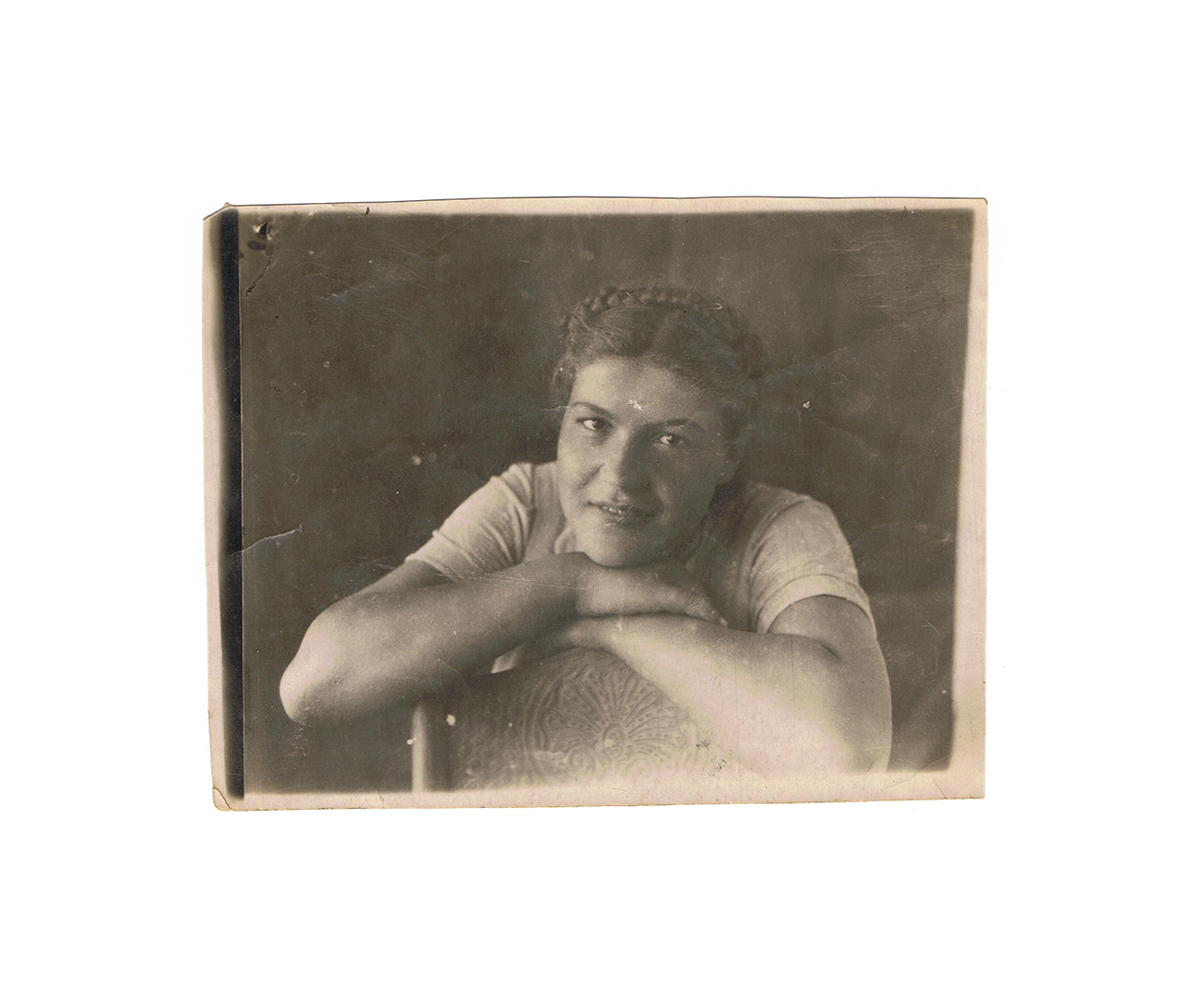
To My Grandmother
Savta Rosa. I miss you every day. You taught me that people can be powerful without sacrificing kindness. I absorbed your lessons into my body; I carry you with me. I think about you all the time.
My favorite thing about your photo, second only to how beautiful you are, is that it reminds me that we survived. We defeat those who worship death.
Flowers to remember what is lost.
Flowers to remember what is saved.